Personal Development
Things High School Didn’t Teach Me: The Money Lessons I Wish I’d Learned Sooner

Read time: 5 minutes
The day you step into adulthood, whether it’s getting your first full-time job, signing a lease, or paying your first utility bill, you’ll realize something important. High school taught us how to solve tough math problems, remember history dates, and analyze books, but didn’t show us how to handle everyday money.
A lot of young adults learn about money through stressful trial and error. But you don’t need to figure out finances the hard way. Managing money isn’t something you’re born knowing; it’s a skill anyone can gain by learning from those who have been there.
Here are five basic money lessons to help you take charge of your financial future early.
1. Gross vs. Net Pay Might Shock You
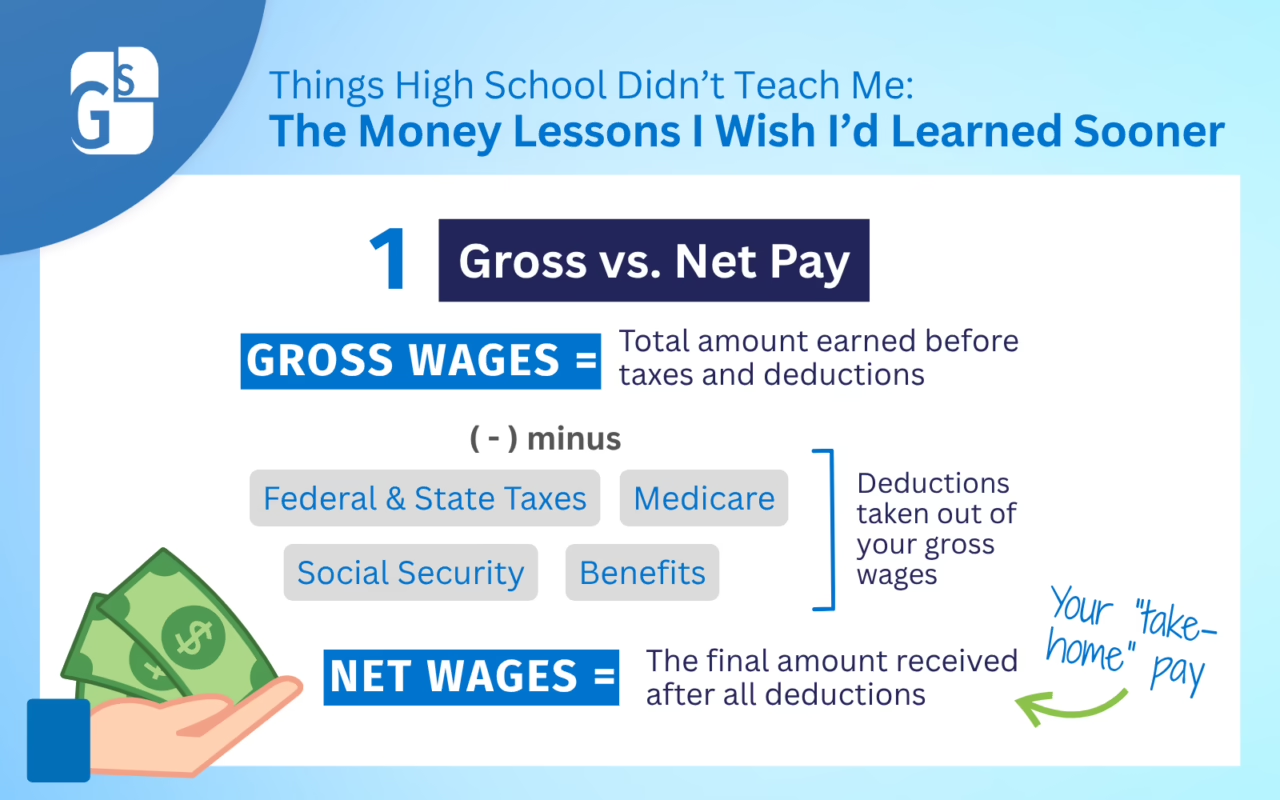
When you land a job paying $18 per hour for a 40-hour workweek, simple math suggests you will make $720 a week, or about $2,880 a month. However, when your first paycheck hits your bank account, you might be shocked to see it’s closer to $2,200.
This difference is the gap between gross income (what you earn before deductions) and net income (your real take-home pay). Taxes and things like Social Security and Medicare are taken out automatically. If you budget using your gross pay, you’ll come up short every month.
Tip: Always make your budget using your net income. Usually, about 15% to 25% of your gross pay goes to taxes and other required deductions.
2. Credit Cards Are High-Interest Loans, Not Free Money

A common mistake is thinking your credit card limit is extra money to spend. If you have a $1,500 limit, it doesn’t mean you have $1,500 to use. It means the bank is letting you borrow up to that amount, and you’ll pay high interest if you don’t pay it back right away.
If you keep a balance from month to month, interest adds up fast. If you only pay the minimum on a $1,000 credit card bill, you could end up stuck in debt for years and pay hundreds more just in interest.
A smart move is to use your credit card like a debit card. Only spend what you can pay off completely when your bill comes each month. This allows you to gain rewards without paying interest on your purchases.
3. Budget to Gain Financial Freedom and Clarity
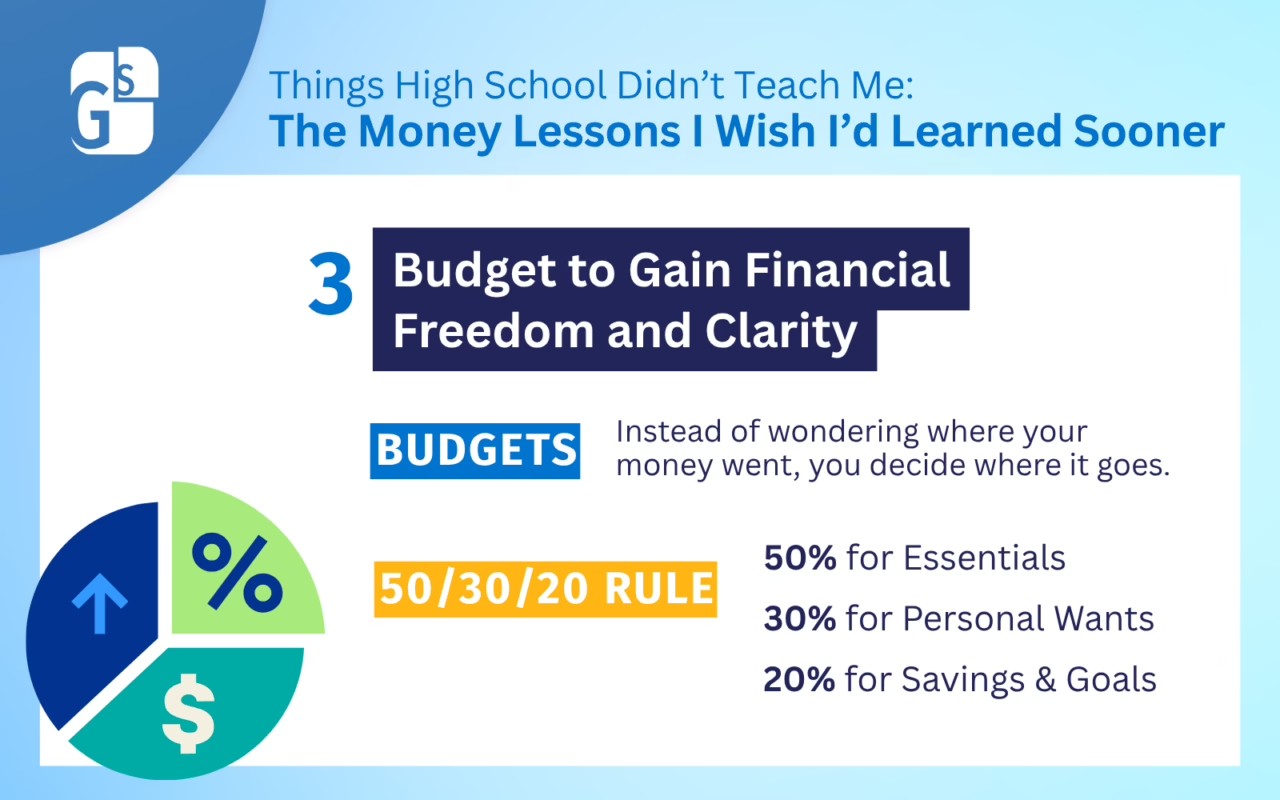
A lot of people avoid budgeting because they think it means giving up things they like. But a budget is just a way to plan where your money goes before the month starts. A budget gives you more clarity into how you’re spending your money. Instead of wondering where your money went, you get to decide where it goes.
A simple and effective structure to start with is the 50/30/20 Rule:
- 50% for Essential Needs: Rent, utilities, basic groceries, reliable transportation, and minimum debt payments.
- 30% for Personal Wants: Dining out, entertainment, hobbies, streaming services, and shopping.
- 20% for Savings & Goals: Emergency fund savings, paying off debt faster, and planning for future long-term aspirations.
If you’re ready to get started, NerdWallet offers a 50/30/20 Budget Calculator to help you plan out your expenses.
Paying attention to small daily habits, like soda runs or forgotten app subscriptions, can help you spot little leaks before they drain your account.
4. Build an Emergency Fund as a Safety Net

Life is unpredictable. An emergency room visit, a flat tire, or a short time without work can quickly cause money problems. Without savings, people often turn to credit cards or expensive loans, which can lead to a hard-to-break cycle of debt.
Starting an emergency fund, even with just $500 to $1,000, gives you a safety net. Having some cash set aside can turn big financial problems into small, manageable bumps.
5. Understanding Credit Scores & Why They Matter

Your credit score is a three-digit number between 300 and 850. Lenders, landlords, car dealers, and sometimes employers use it to see how well you handle money. A good credit score makes it easier to rent a place, buy a car, or get better interest rates.
Two main factors heavily influence your score:
- Payment History (35%): Paying every bill on time, every single month.
- Credit Utilization (30%): Keeping your credit balances well below 30% of your total spending limit (e.g., keeping a credit card balance under $300 on a $1,000 limit).
Bridging the Gap: Life Skills at Grad Solutions
At Grad Solutions, we believe education is more than just finishing assignments and earning credits. Our goal is to help you succeed in all parts of life. Graduating is a huge achievement, but learning how to manage money, find a job, and plan ahead helps you stay independent.
That’s why Grad Solutions offers life skills classes and a variety of workshops to help you build important real-world skills, like personal finance, career planning, critical thinking, and good communication.
Special Event:
Upcoming Financial Literacy Workshop
We’re excited to share an upcoming event that will help you gain real financial confidence!
- Event: Financial Literacy Workshop
- Partnership: Grad Solutions & the Milwaukee Brewers
- When: Friday, October 16th, 3–5PM
- Where: Brewers Training Facility | 3805 N 53rd Ave., Phoenix, AZ
- Cost: Free for Grad Solutions students
At this hands-on workshop, you’ll learn practical tips for budgeting, building good credit, and developing healthy money habits with help from sports professionals. Discover how to take control of your finances in a fun, supportive setting. Make sure to register beforehand to reserve your spot!
Take the First Step Today
You don’t have to learn everything at once. Getting good with money is a step-by-step process that starts with small choices each day. By building good budgeting and saving habits now, you’ll set yourself up for a stable and free future.

Ready to Get Started?
Contact Grad Solutions today to learn about our life skills courses, and find out about all the resources we offer to help you succeed in school and in life!