Online School
Overcoming Brain Fog & Distractions: How to Focus During Online Coursework

Read time: 5 minutes
You sit down with your laptop and open your coursework, feeling ready to make progress. After five minutes, you notice you’ve read the same paragraph several times. The words blur together, and nothing seems to sink in.
Then your phone buzzes with a notification. You check it, and before you know it, twenty minutes have passed while you scroll through social media or get distracted by chores.
If this feels familiar, take a moment to breathe. You’re not lazy, and you’re not “bad at school.” Many students get brain fog or distracted because of stress and modern life.
What you’re dealing with is a mix of brain fog and too many distractions. This is one of the most common challenges for online students. Online learning gives you a lot of freedom, but studying on your own takes mental energy that can run out quickly, especially if you’re also juggling work, family, and other responsibilities.
The good news is that focus isn’t something you’re just born with or without. It’s more like a muscle you can build. Here are some ways to strengthen it, clear your mind, and get back on track.
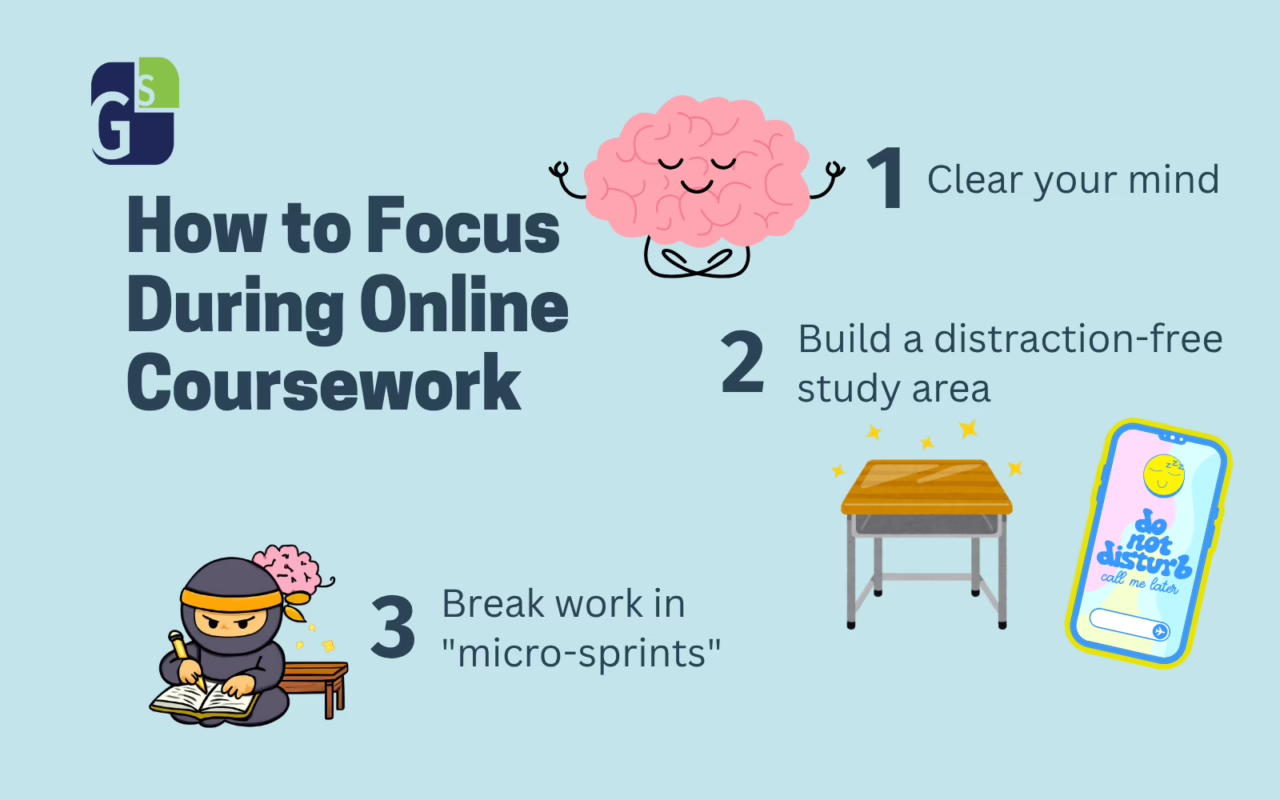
1. Clear What’s on Your Mind
Brain fog usually happens not because you can’t focus, but because your mind is overloaded. If you try to study while thinking about your work schedule, grocery list, and other worries, your brain gets overwhelmed.
These strategies will help you clear your mind so you can study better:
- Do a quick brain dump: Before you start your coursework, take a blank sheet of paper and write down everything on your mind—tasks, worries, errands. Once you’ve listed them, remind yourself, “These are on paper; I don’t have to carry them for the next hour.”
- Relax your body: Brain fog is often worse when you’re tired or dehydrated. Before you start, drink a glass of water, do a few shoulder rolls, or step outside for some sunlight. These small actions help your body and mind get ready to focus.
2. Build a Distraction-free Study Area
Distraction usually isn’t about weak willpower. It’s often because your environment makes it too easy to get sidetracked. When distractions are close by, it’s hard to resist them.
- Make your phone harder to reach: Smartphones are built to grab your attention. Try putting your phone in another room, in a drawer, or use focus settings to silence notifications that aren’t urgent while you study.
- Try the “Single Tab” rule: Close any tabs that aren’t needed for your current lesson. Even if you’re not looking at them, having things like YouTube, email, or shopping sites open can distract you and drain your focus.
3. Work in “Micro-Sprints” (The Power of 25 Minutes)
When a task seems too big, it’s hard to get started. The idea of studying for four hours straight can feel overwhelming and lead you to procrastinate. That is why breaking up study time into small blocks works!
You can break your study time into short bursts using the Pomodoro Technique:
- Choose one specific task (e.g., complete one quiz, read one module section).
- Set a timer for 20 to 25 minutes.
- Work with complete focus until the timer rings.
- Take a strict 5-minute break. Step away from the screen, stretch, or grab a snack.
- Repeat.
Studying in short bursts helps prevent mental fatigue and turns intimidating lessons into manageable victories.
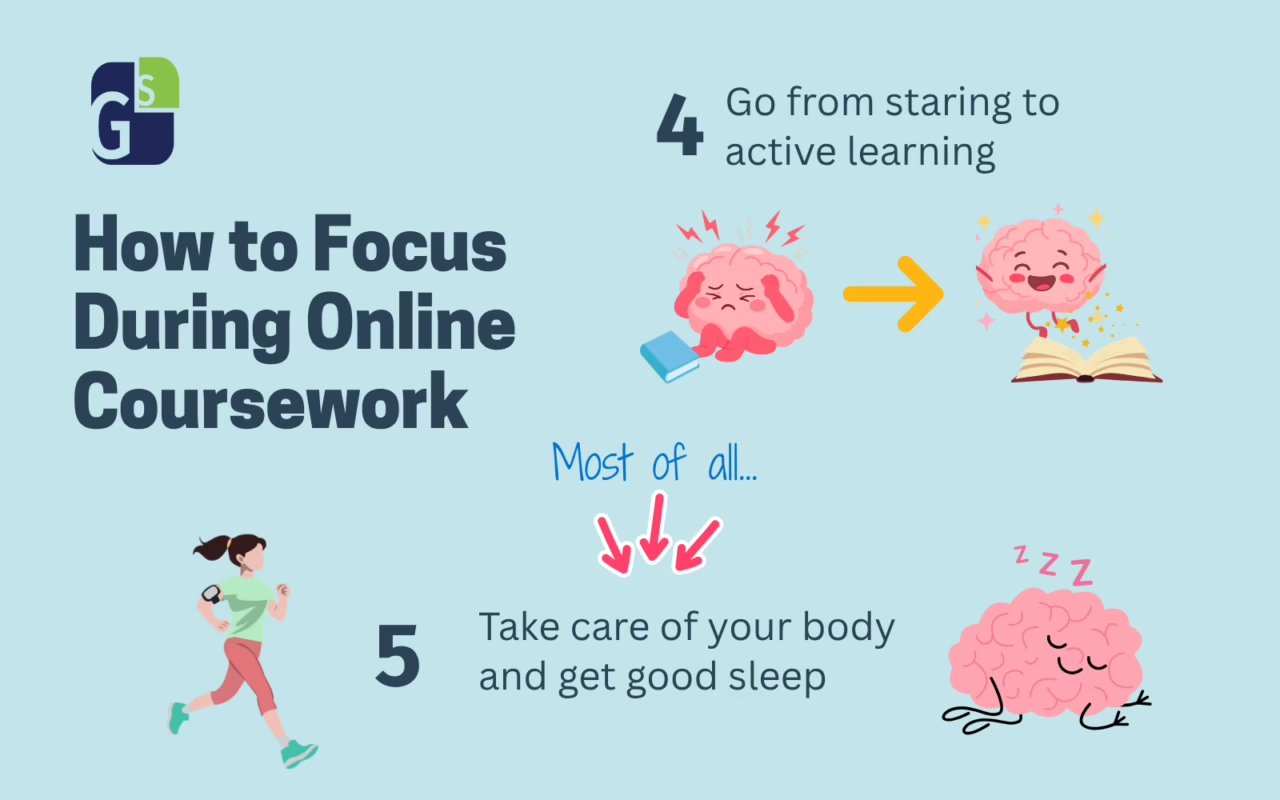
4. Go from Staring to Active Learning
When you feel brain fog, passive reading can make it worse because your mind drifts without you realizing it. To stay focused, try getting your hands and voice involved:
- Take handwritten notes: Writing important ideas by hand helps your brain process and understand the information, instead of just skimming it.
- Teach the wall: Try explaining a concept out loud in your own words, as if you’re talking to a friend. If you get stuck, you’ll know what you need to review.
- Ask questions as you read: Turn section titles into questions (for example, change “Cellular Respiration” to “How do cells produce energy?”) and read to find the answers.
5. Take Care of Your Body & Get Sleep
Getting good sleep is easier said than done, but it’s one of the most crucial things you can do to help your body and mind stay healthy. As you sleep, your body is repairing itself and eliminating brain waste. As you can guess, this process can help you during the day when it comes time to learn.
- Sleep duration: As a teen, you aim to get at least eight hours of sleep a night to complete its renewal process.
- Reduce blue light: Turn off electronic devices at least 30 minutes before going to bed.
- Avoid too much caffeine: Drinking caffeine in the afternoon or evening can keep you from falling asleep when you want to, as can too much caffeine.
- Exercise regularly: There are many health benefits to exercise. Better is sleep is one of them. 30 minutes of exercise a day can help you focus and sleep better at night.
You Don’t Have to Figure It Out Alone
Dealing with burnout, self-doubt, or trouble focusing can feel overwhelming, especially if school has been tough for you before. But you don’t have to handle online learning all on your own.
At Grad Solutions, we believe every student can graduate with the right support and environment. If you’re struggling, our team is here to help. We offer dedicated mentors to keep you on track, and certified teachers and tutors who can explain difficult subjects step by step. Our support is designed for students who find traditional school challenging.
You don’t need to live perfectly to succeed. Just try one of these ideas at a time. Take a breath, tidy your workspace, and approach your next lesson one step at a time.

Ready to Get Started?
It’s easy to get started with Grad Solutions. Connect with us to find out more. With free tutoring, mentoring, and many helpful resources, you’ll be on your way to earning your high school diploma!